Instrument lifecycle
Responsible measurement starts with equipment that stays useful.
For technical buyers, sustainability is not a slogan layered on top of procurement. It is the discipline of choosing instruments that can be calibrated, repaired, documented, and redeployed with fewer avoidable replacements. Keithley supports that discipline by making lifecycle decisions visible before a purchase order is released.
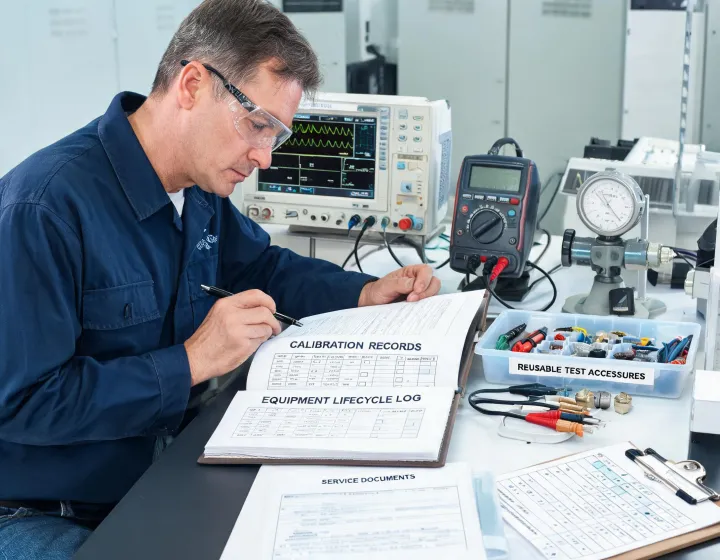
A controlled instrument program reduces waste by preventing wrong purchases, unnecessary replacements, and unplanned downtime caused by missing documentation.
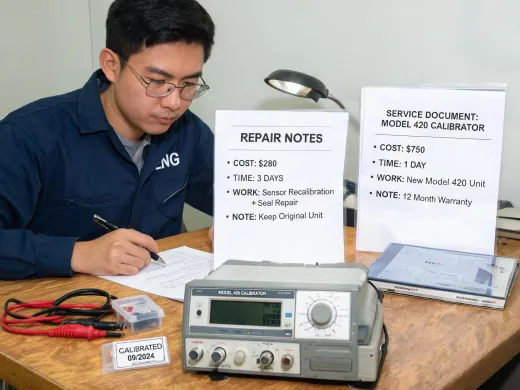
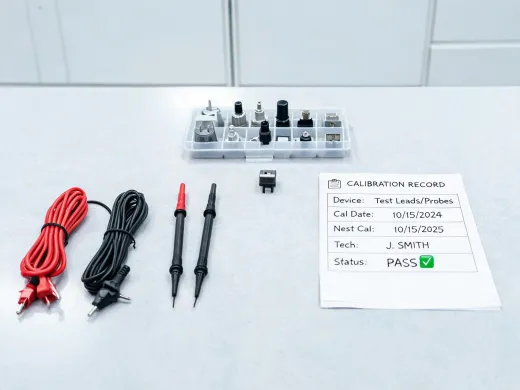
The strongest sustainability gains often come from ordinary decisions that are easy to overlook. A team that chooses the correct range the first time avoids shelf stock that never enters service. A buyer that confirms accessories, leads, software, and calibration format before shipment reduces returns and duplicated freight. A maintenance group that knows when an instrument can be recalibrated or repaired can preserve a useful asset rather than replacing it because the service path is unclear.
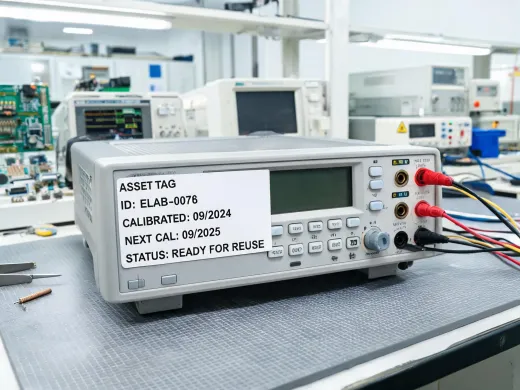
Keithley supports those decisions through documentation discipline. The service conversation records why an instrument was selected, which limits mattered, and how the next calibration event should be handled. That record helps teams redeploy equipment between benches, compare repair and replacement options, and keep procurement choices aligned with long-term operational value. It is a practical sustainability model for measurement environments: fewer avoidable purchases, fewer unsupported assets, and clearer responsibility for every tool that remains in circulation.
Lifecycle checks before release
Lifecycle request
Ask whether the instrument can stay useful longer.
Send the application, current asset state, calibration record, and replacement concern. Keithley will help frame the next practical decision.